2026-10-26 · Frank Marino
Jersey City Dumpster Permit Rules for Sidewalk Placement
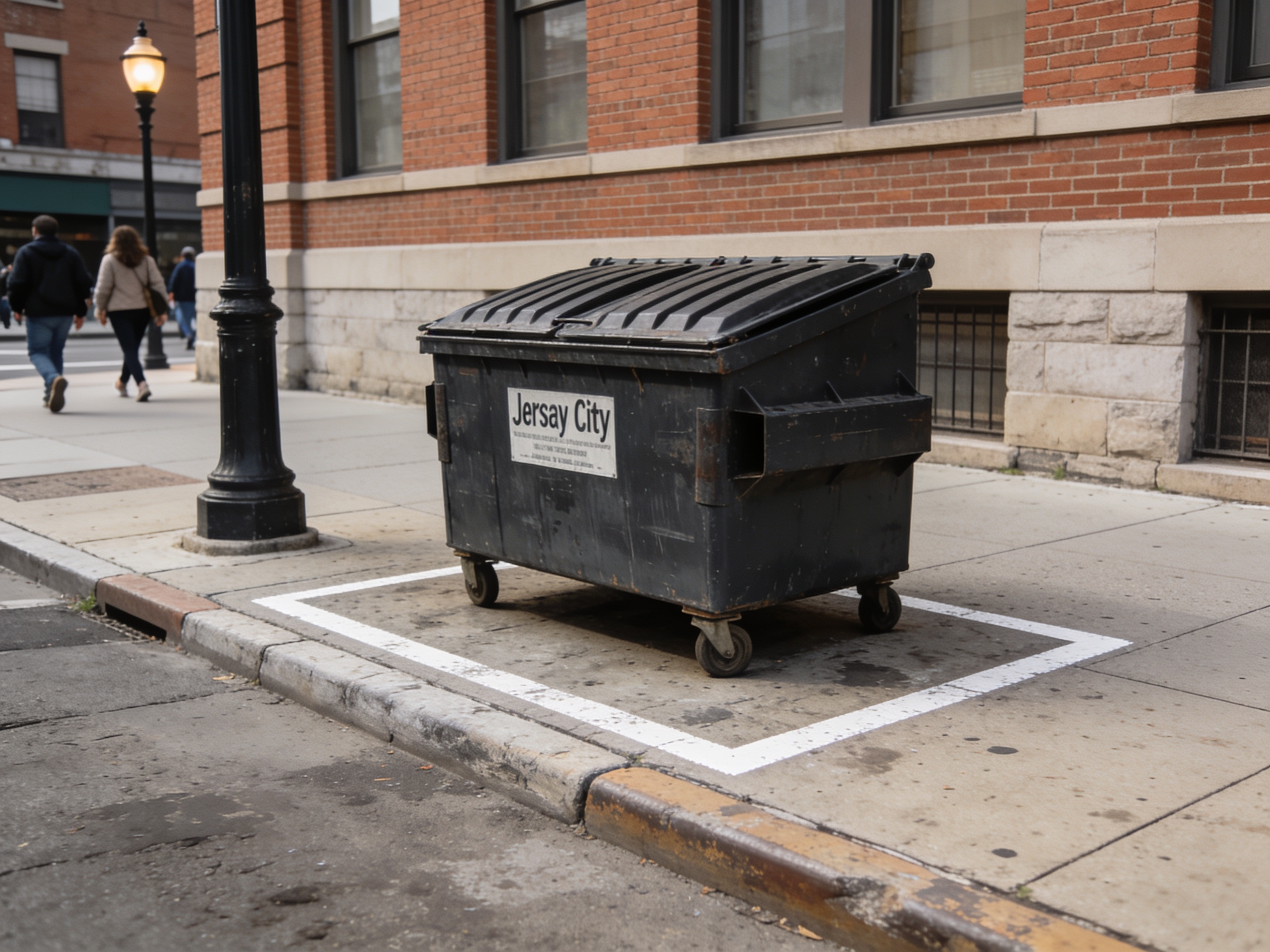
In Jersey City you must secure a sidewalk obstruction permit from the city before positioning a dumpster on any public walkway, with applications processed through the Department of Public Works and typical review times running several business days in dense zones such as Paulus Hook and Journal Square.
Permit Application Process in Jersey City
Property owners in neighborhoods like The Heights and Bergen-Lafayette start by submitting a site plan showing the exact footprint on the sidewalk along with proof of insurance and the rental agreement. The city reviews traffic impact and pedestrian clearance, especially on narrower sidewalks around Van Vorst Park and the Paulus Hook Historic District where historic paving limits available space. Applications can be dropped off or mailed to city hall, and approval often includes conditions such as reflective barriers and daily removal of debris. Residents near Liberty State Park or Exchange Place face extra scrutiny because of higher foot traffic from commuters heading to Newport Centre. Once approved the permit must remain visible on the dumpster at all times.
How Local Housing Stock Changes Placement Rules
Jersey City brownstones and multi-family buildings from the early 1900s line streets in Greenville and Liberty Harbor, leaving limited curb space and tight turning radii for roll-off trucks. Sidewalks in these blocks are often only four to five feet wide, forcing dumpsters to sit partially on the street and triggering additional Department of Transportation review. In contrast, newer developments around Hudson Exchange and Newport allow slightly wider placements but still require the same permit because the city treats any public right-of-way the same. Operators familiar with these blocks know to schedule deliveries before 8 a.m. to avoid school and commuter conflicts near Journal Square.
Weather and Seasonal Impacts on Sidewalk Rules
Hudson County’s humid subtropical climate brings hot summers that soften asphalt and cold winters that produce snow piles narrowing already tight sidewalks in Paulus Hook and The Heights. During winter months crews must keep a clear path for snow removal equipment, so permits often carry shorter duration limits or require daily relocation after storms. Summer heat can also affect dumpster stability on sloped streets near Bergen-Lafayette, prompting inspectors to request additional blocking. Local crews plan around these patterns when serving residential jobs in Bayonne or Hoboken-adjacent blocks.
Practical Steps After Permit Approval
Once the permit arrives, coordinate delivery with your rental provider so the driver knows the exact location and any city-mandated barriers. Keep the permit copy laminated and attached to the unit, and check it daily for expiration dates that the city enforces strictly in high-traffic corridors like Exchange Place. If work extends beyond the approved window, submit an extension request at least three days ahead. For brownstone renovations, many homeowners also review the linked size guide to match container dimensions to narrow driveways and alleys common throughout Jersey City.
Continuing Your Project Planning
After securing sidewalk placement approval, residents often need guidance on container sizing for brownstone projects and winter access strategies. Review the size guide for Jersey City brownstone renovations and winter dumpster access tips for Jersey City properties to keep the job moving smoothly through every season.